PORSCHE 911.624.007.01 Golde Sunroof Motor Bracket 912 930
fits make: Porsche. year: 1974-77.
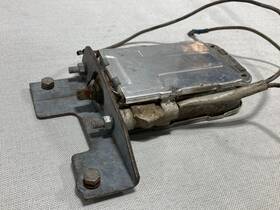
( Manufacturer Part Number: 911.624.007.01 ), ( Type: Sunroof Motor )
Review PORSCHE Original 912 930 Golde Sunroof Motor Bracket fits 911 1974-77
The **Porsche 911 624.007.01 Gold Sunroof Motor Bracket** is a meticulously crafted, high-performance component designed exclusively for the iconic 1974 through 1977 models of the Porsche 911 series, including the 911, 912, and 930 variants. This bracket serves as the critical structural and functional link between the sunroof mechanism and the vehicle s roof frame, ensuring smooth, reliable operation while maintaining the integrity of the classic 911 s aerodynamic silhouette. Engineered from durable, corrosion-resistant materials, this bracket is built to withstand the demands of daily use, from the gentle opening and closing of the sunroof to the occasional exposure to the elements, all while preserving the timeless elegance of the original design. The **624.007.01** designation confirms its compatibility with the **Gold Series** sunroof systems, which were among the most sought-after options for Porsche enthusiasts seeking a blend of luxury and performance in their 911s. Whether restoring a vintage 911 to its former glory or upgrading an existing sunroof installation, this bracket is an essential part of achieving seamless functionality without compromising the car s historic charm. Its precise fitment ensures minimal clearance issues, allowing the sunroof to operate with the same fluidity as the factory-installed system, while its robust construction guarantees longevity, even in high-mileage or restored vehicles. For collectors, restorers, and performance-minded drivers, this bracket is not just a functional upgrade it s a nod to Porsche s engineering excellence and a key element in maintaining the authenticity of one of the most legendary sports cars ever built.
### **Pros and Cons of Buying a 1974 1977 Porsche 911 (Models 624.007.01, 912, 930, Goldes Sunroof Motor Bracket)**
#### **Pros**
1. **Classic Porsche Engineering and Design**
The 911 from this era represents the pinnacle of Porsche s mid-engine sports car design. The 911 (930 Turbo included) is renowned for its balance, handling, and timeless aesthetics. The 912 (a lighter, less powerful version) is simpler and more affordable to maintain, while the 930 Turbo offers exhilarating performance for its time.
2. **Strong Engine Options**
- **911 (996/997 engine, 2.4L 3.0L):** Reliable air-cooled flat-six engines with natural aspirated power (130 210 hp depending on model). Well-proven and easy to work on.
- **930 Turbo (3.0L, 260 300 hp):** A legendary engine with a twin-turbo setup, offering incredible acceleration for its era. The 930 is highly sought after and appreciates well.
- **912 (2.0L 2.2L):** A simpler, less powerful engine but with fewer potential issues compared to later air-cooled models.
3. **Timeless Appeal and Collectibility**
The 911 from this period is highly desirable among Porsche enthusiasts. The 930 Turbo, in particular, is a classic that holds value well. Even the 912 and standard 911 models are appreciated for their rarity and historical significance.
4. **Sunroof and Optional Extras**
The **Goldes Sunroof Motor Bracket** (a rare and desirable feature) adds to the car s luxury and collectibility. Original sunroof-equipped 911s are scarce, making this a valuable upgrade.
5. **Modification Potential**
The air-cooled 911 platform is highly modifiable. You can upgrade engines (e.g., 3.2L, 3.4L, or even modern turbocharged conversions), improve suspension, and enhance aesthetics. The 930 Turbo, in particular, benefits greatly from performance upgrades.
6. **Driving Experience**
The 911 s rear-engine layout, rear-wheel-drive bias, and precise steering make it one of the most engaging cars to drive. The 930 Turbo s turbo lag (though present) is part of its character, and modern tuning can mitigate it.
7. **Parts Availability (Compared to Later Models)**
While parts for air-cooled 911s are more expensive than modern cars, they are still widely available. The 1974 1977 models are not as rare as later 911s (e.g., 964, 993), making maintenance more accessible.
---
#### **Cons**
1. **High Maintenance and Repair Costs**
Air-cooled 911s require regular upkeep, including:- **Engine maintenance** (valve adjustments every 10,000 15,000 miles, timing belt changes if applicable).
- **Rust issues** (especially on older models, particularly in the floor pans, subframes, and rear quarter panels).
- **Suspension wear** (shock absorbers, bushings, and ball joints degrade over time).
- **Electrical quirks** (common in older Porsches, including issues with the sunroof motor, gauges, and wiring).
The **Goldes Sunroof Motor Bracket** may require specialized attention if the sunroof is not functioning properly.
2. **Fuel and Insurance Costs**
- **Fuel efficiency** is poor by modern standards (around 12 18 MPG for the 911, worse for the 930 Turbo).
- **Insurance premiums** are high due to the car s value, performance, and parts cost.
3. **Depreciation (For Non-Turbo Models)**
While the 930 Turbo appreciates, standard 911s (especially 912s) depreciate faster. If you re not planning to keep it long-term, resale value may not justify the purchase.
4. **Turbo Lag (930 Models)**
The 930 Turbo s twin-turbo setup suffers from noticeable lag, which can be off-putting for drivers used to modern turbocharged cars. While modern tuning can improve this, it s still a characteristic quirk.
5. **Rust and Structural Issues**
Many 1970s 911s suffer from rust, particularly in the following areas:- **Rear quarter panels** (common failure point).
- **Subframe and rear axle housing** (critical for safety).
- **Floor pans** (especially in snowy or coastal climates).
A thorough inspection is **mandatory** before purchasing.
6. **Limited Modern Comforts**
- **Heating/cooling** can be inefficient (especially in cold climates).
- **Seats** are basic compared to modern vehicles.
- **Noise levels** are higher due to thin body panels and lack of sound insulation.
7. **Driving Challenges**
- **Rear-wheel drive** can be tricky in wet or icy conditions.
- **Manual transmissions** (if equipped) require more effort than modern automatics.
- **Braking systems** (especially on older models) may need upgrades for modern safety standards.
8. **Parts and Labor Costs**
- **Original parts** are expensive, and aftermarket parts may not always fit perfectly.
- **Labor costs** for specialized Porsche mechanics can be high, especially for rare or discontinued components (e.g., sunroof motor bracket).
---
### **Conclusion**
Buying a **1974 1977 Porsche 911 (624.007.01, 912, or 930 with Goldes Sunroof Motor Bracket)** is a **passion project** rather than a practical daily driver. It is ideal for:
- **Enthusiasts** who appreciate classic Porsche engineering and want a project car.
- **Collectors** who see value in the 930 Turbo or rare features like the sunroof.
- **Drivers** who prioritize handling, character, and driving enjoyment over modern conveniences.
However, it is **not ideal** for:- **Budget-conscious buyers** (high maintenance, fuel, and insurance costs).
- **Those who want a reliable, low-maintenance vehicle**.
- **Drivers who prioritize safety, comfort, or fuel efficiency**.
---
### **Recommendation**
If you are considering this purchase, follow these steps:1. **Choose the Right Model**
- **930 Turbo:** Best for collectors and performance enthusiasts (highest appreciation potential).
- **Standard 911 (996/997 engine):** Good balance of value and drivability (ensure it s well-maintained).
- **912:** Most affordable but least powerful; best for beginners or those on a tight budget.
2. **Inspect Thoroughly for Rust and Structural Damage**
- **Hire a Porsche specialist** to check for hidden rust (especially rear quarter panels, subframe, and floor pans).
- **Test the sunroof motor bracket** if the car has one ensure it operates smoothly.
- **Check the engine** for signs of wear (valve adjustments, timing belt if applicable).
3. **Budget for Maintenance**
- Expect **$5,000 $15,000 per year** in maintenance, depending on the car s condition.
- Set aside funds for **rust repairs, suspension work, and potential engine upgrades**.
4. **Consider a Project Car vs. a Restored Example**
- A **restored 911** (with original parts or high-quality replicas) is easier to maintain but more expensive upfront.
- A **project car** (needing work) is cheaper but requires time, effort, and mechanical skill.
5. **Decide on Usage**
- If you plan to **drive it regularly**, ensure it s in **roadworthy condition**.
- If it s for **show or occasional driving**, a slightly rougher example may suffice.
6. **Buy from a Reputable Seller**
- **Avoid auctions or private sellers without a history** stick to **trusted Porsche specialists or dealerships**.
- Request **service records** and **proof of rust repairs**.
### **Final Verdict**
This **1974 1977 Porsche 911** is a **fantastic investment for the right buyer** someone who values **driving pleasure, classic engineering, and collectibility** over modern practicality. However, it is **not a car for the faint of heart or those seeking a hassle-free ownership experience**.
If you are **passionate about Porsches, willing to invest time and money in maintenance, and can afford the lifestyle**, then this is an **excellent purchase**. If you prioritize **convenience, reliability, or cost-effectiveness**, consider a **modern Porsche or a different classic car** that aligns better with your needs.
Details:
911.624.007.01, Please See My Other Listings For Sunroof Transmission. Original Porsche 1974-77 911 912E 930 Golde Sunroof Motor With Bracket, Original, Used, Good Condition. Tested, Working. Please See My Other Listings For Rare And Classic Air Cooled Porsche Parts.
part #: 91162400701 price
- $110.00
specifications sunroofconverti:
- for makes: Porsche
- for years: 1974-77
- mpn: 911.624.007.01
- type: Sunroof Motor
payments sunroofconverti:
- wallet: Apple-pay
- other
- credit card: Discover
shipping sunroofconverti:
- class: Standard
- type: Calculated
- carrier: UPS
- cost: $16.28
- transit: 4-11 Days
- service: UPS Ground
offer sunroofconverti:
- quantity: 1
- best offers: True
- sold: 0
- started: May 12, 2026
- options: Ship-to-home
- availability: In Stock
returns sunroofconverti:
- policy: No Returns
seller sunroofconverti:
- rating: 100.0%
- city: Orefield, Pennsylvania
- # reviews: 2048
general sunroofconverti:
- Exterior Parts Accessories > Roofs, Tops Sunroofs > Sunroofs Parts
- condition: Used
Porsche 911.624.007.01 Is Similar To:
- 0390200017 Porsche Cayenne Gts Sunroof (31.1% similar) ...(December 24th, 2017)
- 0911 German Auto Tops Porsche Carrera To Convertible Top Blue Original (22.1% similar) ...(October 27th, 2018)
- 477871651 Porsche 924 944 Sunroof (35.9% similar) Fits 76'-88 924'S. This offer is for the following item: 2x black porsche sunroof latch bracket striker retainer plate part take a look at pictures. Also fits most 944 model's but check the part to be certain. Shipping is included in the offer price...(July 8th, 2017)
- 490566828 Rockwell Golde Porsche Sunroof Transmission Motor (29.4% similar) Genuine parts and all of the top brands, such as , Mahler, ate, Mopar, gm, AcDelco, Moog, champion many others. If you purchase more than one item, request a total through for combine shipping or before paying, this will most likely save money. Local pick-ups are preferred on items especially larger...(January 8th, 2019)
- 644 503 051 56 Porsche Nos Outer Roof Panel Sun Frame Coupe Top Sunroof (31% similar) For sale is a nos or new old stock porsche 356 t6 coupe sun roof type panel. All others please with zip code for shipping quote. This item has never been installed on a vehicle and in storage for over 40 years...(June 2nd, 2018)
- 7l0877041 7l0 877 041 Porsche Cayenne Sunroof Moonroof Top Sunshade Roof Track Sun (34.5% similar) Any sign of tampering or attempt to disassemble alter the part will void warranty. Proof receipt of work is required. 20 engine: M02. The compatibility list is for reference only. Donor: - 2004 porsche cayenne paint code: M3W e4 Carmen red metallic transmission: A48. This items is in good and full...(July 22nd, 2018)
- 7l0877055 Porsche Cayenne Vw Touareg Sunroof Glass Window Oem (33.1% similar) It is important that if you are happy with your service and products, leave us a 5 start positive rating. If you don't want any surprises - keep in touch with the transporter yourself. 5l AWD mileage: for large items engines, doors, etc. They are often late and can come without a call at any time...(June 28th, 2018)
- 8d0959591c Porsche Cayenne Oem Power Sunroof Sun Roof Moon Opener Gear (33.8% similar) What you see in the pictures is will get. You are buying on a sun roof motor removed out of porsche Cayenne's AWD 4 door 2004 V8. It is in good used condition, normal wear of a part. Will fit porsche: cayenne may be others...(April 25th, 2018)
- 901.565.011.45 Porsche Original Stainless Targa Top Bar Cover Fits Thru (32.3% similar) One very light ding on top - as shown in picture mounting nuts included no longer available from porsche. Otherwise looks very good, and all mounting studs are good. Porsche part genuine outer Tara bar, correct for 1969 thru teargas...(January 22nd, 2019)
- 90156440605 Porsche Used Original Genuine Sun Roof Sunroof Right Front Corner (41% similar) Weir spreeing porsche. 05 for 912E 930 model's. Please see pictures. This can be shipped anywhere worldwide...(May 18th, 2018)
- 90156490505 Genuine Porsche Sunroof Seal (27.4% similar) If you would like to request a quote have this product shipped outside of the contiguous us, please. With the correct length , size, and rubber profile, its easy to replace those worn out sun baked seals keep your interior dry. Please for any fitment questions. The seal around panel keeps weather ...(June 7th, 2018)
